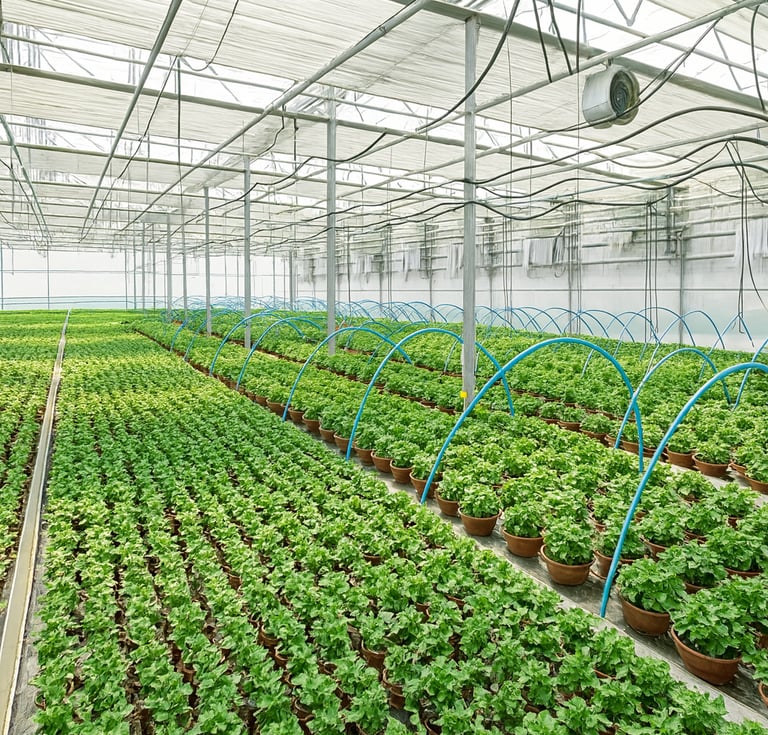
Greenhouse Structure
A greenhouse structure is a specially designed protective framework that provides a controlled and safe environment for plant growth. Its main purpose is to protect crops from harsh external conditions such as extreme heat, cold, heavy rainfall, strong winds, and pests. The structure is usually made from strong materials like galvanized iron (GI) pipes or steel, which give it durability and a long service life. The covering material may include UV-stabilized poly film, polycarbonate sheets, or glass, allowing sufficient sunlight to enter while controlling harmful radiation. This combination creates an ideal growing space where plants receive natural light along with proper protection.
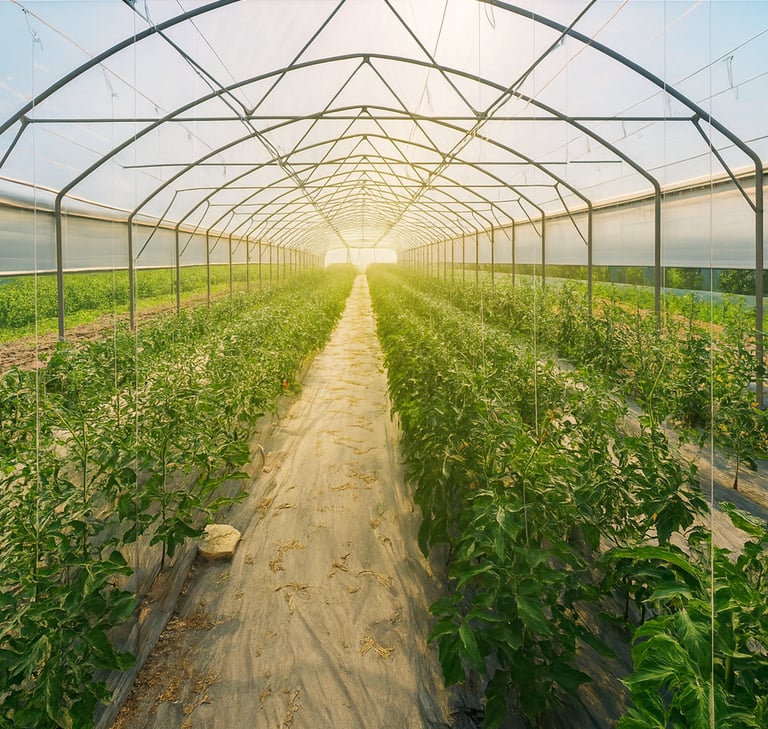
Inside a greenhouse, important factors such as temperature, humidity, and airflow can be managed efficiently. Ventilation systems like side vents, roof vents, exhaust fans, and cooling arrangements such as fan-and-pad systems help maintain a balanced climate throughout the year. Because of this controlled environment, crops can be grown in all seasons, regardless of outside weather conditions. Plants experience uniform growth, reduced stress, and lower disease incidence, which results in healthier crops and better-quality produce. Greenhouses are widely used for growing vegetables, flowers, nurseries, and other high-value crops.